Who Is Responsible for Fly-Tipped Waste on Private Land?
By Waste Removal Solutions · 2 September 2026
If someone dumps rubbish on your land, who has to clear it and who pays? A plain-English guide for landowners, landlords and businesses.
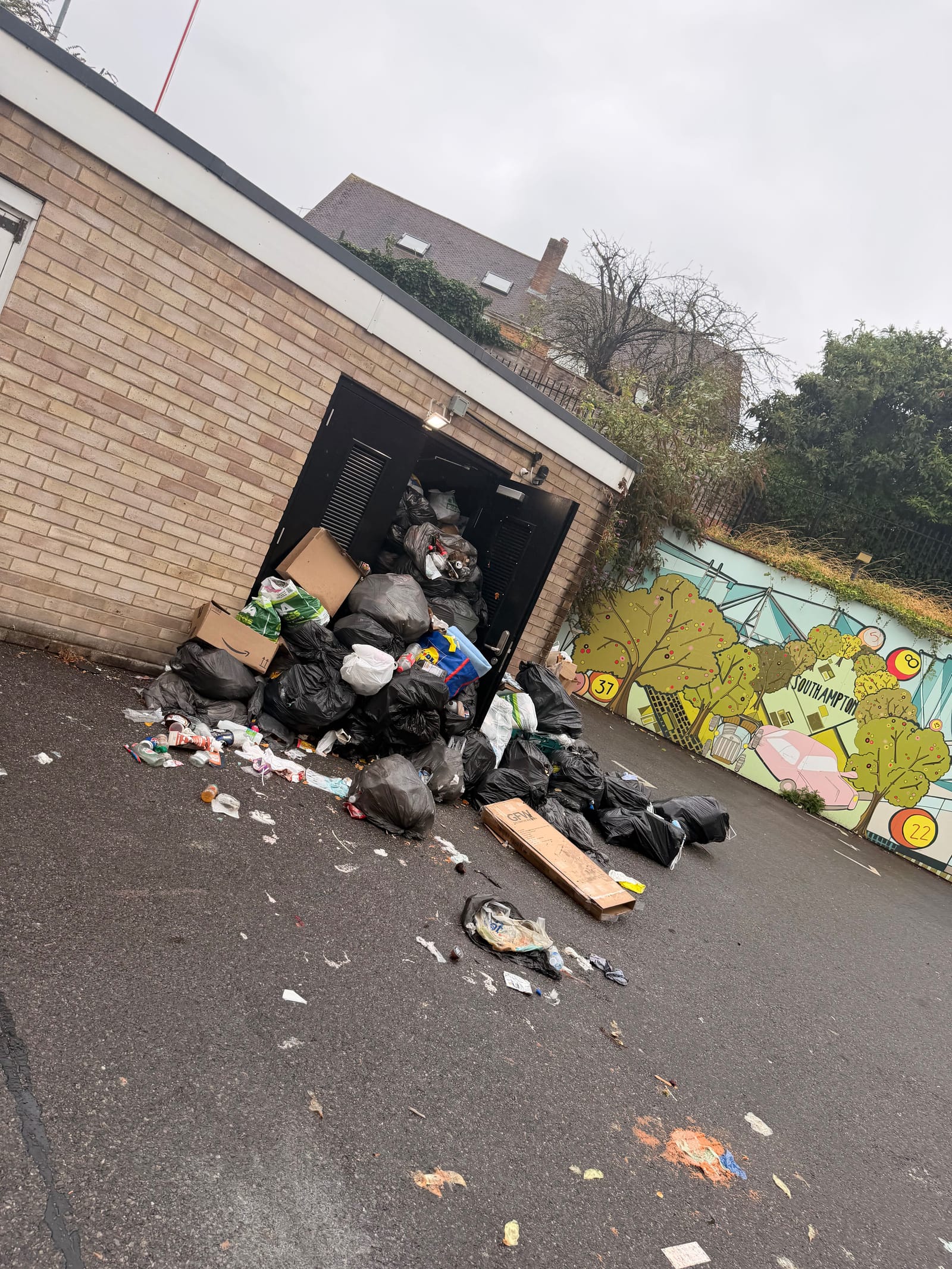
Discovering fly-tipped waste on your land is frustrating and often expensive. The uncomfortable legal reality in the UK is that responsibility for clearing waste on private land usually falls on the landowner or occupier — even though you did nothing wrong.
The law in brief
Councils have a duty to clear fly-tipping on public land, but on private land the responsibility to remove it generally sits with the owner or occupier. If the waste poses a risk, the local authority can even serve notice requiring you to clear it. It feels unfair, but knowing the rules helps you act quickly and protect yourself.
What to do if you are fly-tipped
- Do not touch it more than you must. It may contain hazardous material such as asbestos, chemicals or sharps.
- Report it to your local council. Even on private land, reporting creates an official record and occasionally the council can assist.
- Look for evidence — carefully. Letters, invoices or labels in the waste can identify who dumped it and may support enforcement action. Photograph everything before it is moved.
- Arrange licensed removal. Use a registered waste carrier so the material is documented and disposed of legally.
Protecting yourself from liability
Under the duty of care, you must ensure your waste only ever goes to a licensed carrier — and you should always get a waste transfer note. If you hand rubbish to an unlicensed "man with a van" who then fly-tips it, it can be traced back to you and you can be fined. Always check your carrier is licensed.
How we help
We clear fly-tipped waste from driveways, yards, car parks, alleyways and commercial sites, dispose of it through fully licensed routes, and provide documentation so you are covered. If you have been fly-tipped, get in touch or price the clearance on our instant calculator.